Vital Plumbing Solutions: Keeping Your Home's Plumbing Systems in Top Condition
Maintaining a household plumbing infrastructure is essential for general functionality. Residents often encounter frequent challenges like leaks, clogs, and inefficient fixtures. Routine checkups can detect these concerns before they escalate. Recognizing the value of regular plumbing maintenance can result in notable reductions in expenses and an elevated level of comfort. Still, a large number of people are unsure of how to choose the right professional or which services are genuinely necessary. Examining these elements can offer reassurance and understanding for residents.
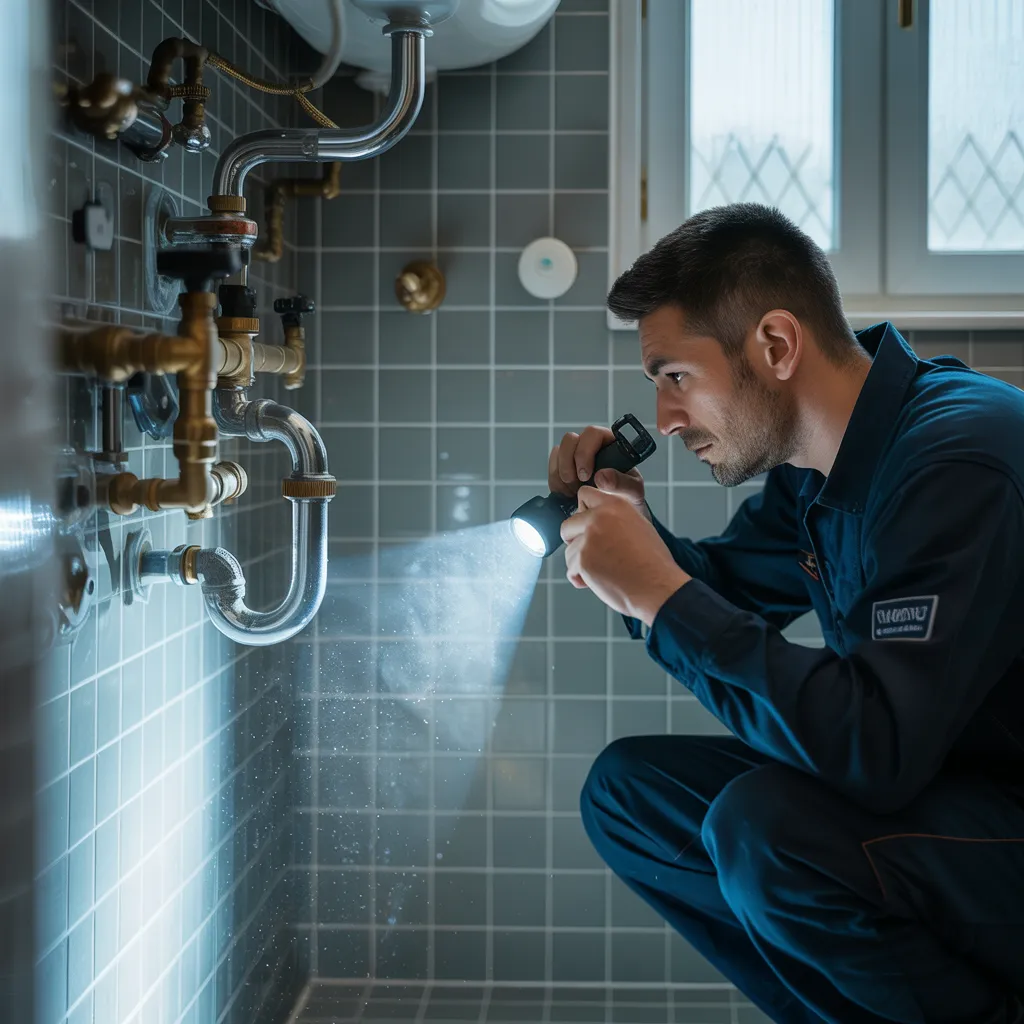
Common Plumbing Concerns Every Homeowner Faces
Homeowners commonly deal with a variety of plumbing problems that may interfere with everyday routines. Frequent issues include leaky faucets, which not only waste water but also lead to higher water bills. Clogged drains represent another recurring issue, typically resulting from hair, grease, or unwanted materials clogging the pipes. Moreover, toilet malfunctions, including persistent running or inadequate flushing, can create significant inconvenience.
Water heater malfunctions can cause inconsistent hot water supply, interfering with daily schedules. Moreover, broken pipes can lead to extensive water damage, necessitating immediate attention. Lastly, sewer line complications may cause disagreeable odors and serious health concerns when not treated in a timely manner. Any of these issues, if unaddressed, can grow into more severe problems, highlighting the importance of homeowners recognizing these frequent plumbing challenges.
Why Routine Plumbing Services Are Essential for Homeowners
Routine plumbing maintenance plays a critical role in keeping a home's plumbing system in optimal condition. Regular inspections and maintenance help identify potential issues before they escalate into costly repairs. By resolving minor leaks, deterioration, and obstructions in a timely manner, property owners can protect their homes from serious damage.
Additionally, routine upkeep extends the long-term performance of plumbing systems and appliances, ensuring they operate efficiently. This proactive approach not only leads to significant long-term savings but also boosts overall water quality and minimizes the chances of mildew and mold buildup.
Homeowners who commit to scheduled plumbing maintenance can experience peace of mind, knowing that their plumbing systems are operating efficiently. Moreover, consistent upkeep can lead to increased property value, as future buyers commonly prioritize well-maintained plumbing systems. At the end of the day, regular plumbing services are an essential aspect of responsible homeownership.
Key Emergency Plumbing Services You Must Know
What should you do when a plumbing emergency occurs? Many homeowners are left feeling overwhelmed and anxious, facing issues such as burst pipes, overflowing toilets, or severe leaks. In order to handle these situations, several key emergency plumbing services prove indispensable. To begin with, round-the-clock emergency response is essential, guaranteeing that assistance is accessible at any hour. Furthermore, water damage restoration services work to lessen the consequences of flooding, safeguarding your property and personal items. Additionally, drain cleaning services can address sudden blockages that lead to backups, offering immediate relief. Leak detection services are also essential, pinpointing hidden leaks before they grow into serious complications. To conclude, sewer line repairs are capable of eliminating severe health dangers by resolving root intrusion or pipe failures. Understanding these critical emergency plumbing services prepares homeowners to take fast and decisive action when problems emerge, protecting their properties and providing reassurance.
Finding the Ideal Plumbing Specialist
What steps can one take to make certain they hire the ideal plumber for their requirements? Start by researching local plumbers, prioritizing those with positive reviews and ratings. A reputable plumber should possess the necessary licenses and insurance, securing compliance with local regulations and offering protection against potential liabilities.
Additionally, consider their background and expertise. Some plumbers may excel in residential work, while others focus on commercial systems or specific plumbing issues. Requesting estimates from multiple professionals can help gauge pricing and services offered.
Ultimately, good communication is fundamental; a reliable plumber should be approachable, ready to answer questions, and give straightforward explanations of the work required. By taking these steps, property owners can make an informed choice about a experienced plumbing specialist who satisfies their individual requirements and maintains the efficient performance of practical tips their home plumbing systems.
Tips to Prevent Plumbing Issues in Your Home
Identifying the most suitable plumber is merely the initial step in keeping a healthy plumbing system. Homeowners can adopt several proactive steps to avoid plumbing problems. Routinely checking pipes for corrosion or leaks is critical; catching issues early can reduce costs and effort. Additionally, keeping drains clear of grease and debris will help maintain proper water flow. It is recommended to install strainers in sinks and bathtubs to catch hair and food particles. Property owners should also be cautious about what gets disposed of through toilets, avoiding items that can cause blockages. Additionally, routine upkeep, such as flushing the water heater to eliminate sediment buildup, can increase its longevity. Ultimately, being aware of where the main water shut-off valve is located is vital for responding to emergencies quickly. By following these tips, homeowners can substantially lower the probability of unexpected plumbing problems.
What to Expect During a Professional Plumbing Inspection
When undergoing a professional plumbing inspection, homeowners can expect a detailed examination of their plumbing systems. Professional inspectors routinely identify frequent problems such as corrosion, leaks, and clogs, while also supplying important maintenance advice. This procedure not only uncovers current issues but also aids in preventing future complications.
Overview of the Inspection Procedure
A thorough plumbing assessment is vital for safeguarding a household plumbing system. Throughout the evaluation, a professional plumber examines various components, including pipes, fixtures, and appliances. The evaluation begins with a visual assessment to detect any apparent problems, followed by pressure evaluations to confirm there are no leaks in the system. The plumber may also use specialized cameras to examine concealed pipes, offering a comprehensive view of the plumbing system. Water flow and drainage are tested to confirm maximum efficiency. Furthermore, the inspector checks for compliance with applicable local regulations and codes. Homeowners are presented with a complete written report summarizing the findings, which supports upcoming repairs and maintenance. This proactive method serves to avoid costly plumbing issues.
Common Problems Found
Detecting typical plumbing concerns is a crucial aspect of a thorough assessment. Throughout an inspection, technicians typically look for leaks in pipes, which can lead to water damage and mold growth. Blocked drains are a common issue as well, frequently caused by the buildup of debris or invasive tree roots. Additionally, worn-out fixtures, such as plumbing fixtures, may display evidence of damage, including oxidation and surface degradation. Technicians additionally assess pressure levels within the water system, confirming they remain within proper parameters, as both high and low pressure can point to more serious concerns. In addition, they examine the comprehensive status of the heating unit, checking for signs of leaks or corrosion. Tackling these frequent problems promptly can avoid significant damage and expensive future repairs.
Recommended Maintenance Tips
Routine plumbing inspections offer homeowners with important information about the condition of their plumbing systems. During a comprehensive plumbing inspection, plumbers evaluate key components such as pipes, faucets, and water heaters. They look for leaks, blockages, and indications of corrosion, which can result in expensive repairs if ignored. Homeowners can anticipate guidance on maintaining peak performance, including regular drain cleaning and water pressure checks. Inspectors routinely examine the overall plumbing layout to spot concerns before they become serious. It is advisable to schedule inspections once or twice a year to ensure systems continue to function properly. By following these upkeep guidelines, homeowners can increase the longevity of their plumbing and avoid unexpected emergencies.
Frequently Asked Questions
How Frequently Should I Replace My Plumbing Fixtures?
Specialists suggest replacing plumbing fixtures every 10 to 15 years, depending on usage and maintenance. Routine inspections can uncover signs of wear and tear, helping to maintain efficiency and avoid expensive repairs or water damage over time.
What Are the Signs of Hidden Plumbing Leaks?
Indicators of concealed plumbing leaks consist of water marks appearing on walls or ceilings, unexpected spikes in your water bills, musty or damp smells, and an ongoing noise of running water. Prompt detection can help avoid further damage and reduce costly repair expenses.
Can I Use Chemical Drain Cleaners Safely?
Chemical drain cleaners can pose significant risks; they can cause pipe damage and prove dangerous when used incorrectly. Following instructions diligently or opting for alternative solutions when clearing blockages is strongly encouraged to promote safety and reliable results.
How Can I Locate My Main Water Shut-Off Valve?
To locate the primary water shut-off valve, one should check near the perimeter of the home, commonly found in basements, crawl spaces, or garage areas. It typically resembles a round or lever-type valve connected to the main water line.
What Should I Do During a Plumbing Emergency?
During a plumbing emergency, it is important to promptly shut off the main water supply, assess the situation, place towels or buckets to manage any leaking water, and contact a professional plumber for urgent assistance and repairs.